 |
| Courtesy Pixel Curse |
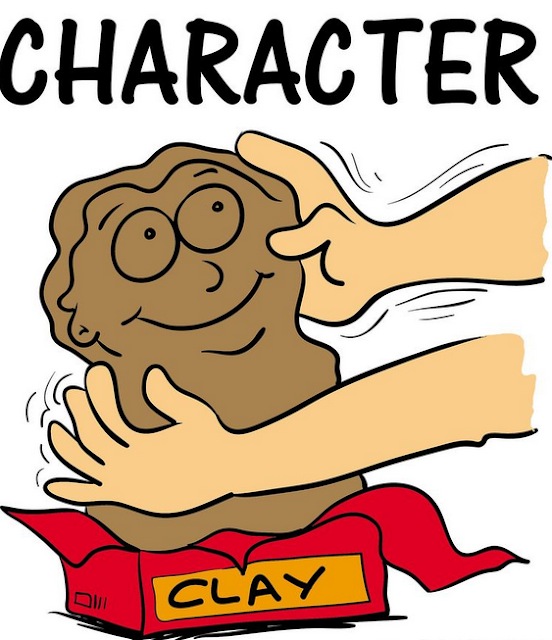
On this site, I've touched on character development before — How Long Have You Spent with Your Characters? — but I've not covered the issue enough, as per my experience completing books.
New fiction book writers often feel they are in a race with other writers — their first mistake.
Every book has its own timeframe, and if you create and maintain a writing schedule, that book will get done. If you try to rush through the process, there will be a lack of knowledge on what and how to write that will create undue stress, that will lead to writer's block, often having that writer abandon the project altogether.
Sound familiar, peeps?
There's one, and only one, solution to this problem: STOP writing. START filling out Character Bibles.
- Do you know what they are?
- Have you filled them out?
- Have you taken the time to truly get to know your literary peeps, because in terms of your story, they ARE real people, you know.
Now, I'm NOT talking wasting time, playing with worksheet to avoid writing. I'm talking that before you even write one word, you've allowed yourself TIME to acclimate to/get to know these people, so much so that the prose/dialogue/action virtually writes itself.
Yes, I'm not kidding here. If you know your characters deeply enough, and the book will write itself.
Returning to that harried newbie scribe scenario...
So, because our newbie writer is worried about keeping up with the literary Jones's, they plunge into the manuscript knowing next to nothing about the people who will carry this tale. Don't let so-called experts fool you. Stories are about people, not about plot. Yes, in action adventure tales, the locales, the events drive the narrative, but even in those books, it's about the unique traits of those characters that give life to the tale.
Ergo... not knowing the characters = not knowing the story = not having the foggiest what to write = Writer's Block. (Don't you just WUV how I'm a genius with literary calculus? Please tell my Grade 11 math teacher, won't you? ;-) )
HOMEWORK No. 1: go online and find yourself a GOOD bible worksheet.
For my last two novels, I've used story consultant, Lara Willard's worksheet, which I believe is one of the best out there. It's two-sided, and covers all the areas needed to fill out your character's personality (click the link below to send you to her page to download the PDF worksheets). If I have several main characters, I'll research online for a photo that is like what my mind's eye sees in that character, and I'll attach it to Lara's worksheet. Once you've filled out this form, honestly, and completely, and sit with those character traits in your mind for a few weeks/months, there won't be much you won't know about your book peeps. In my last novel, I had SIX main characters, and Lara's worksheet was invaluable to get me to write authentically and uniquely about each one.
 |
| Lara's Character Bible Worksheet |
HOMEWORK No. 2: Once you've downloaded your favorite worksheet, begin to fill it out. Research for the correct and full answers. Write down what you know now, but don't worry if along the writing process, some details change. It can happen. It's happened with my characters as I get to know them better over time.
TAKE THE TIME NEEDED to know these people, for if you skip this process, your brain will not know what to write. It's as simple as that. If you do take that time, and you know these people inside and out, I guarantee you your fingers won't keep up with your thoughts, and virtually every sentence you write will be legit, authentic, unique and vibrant, needing very little edit at draft end.
Book writing is NOT a race. Please drill that into your self-conscious new writer head.
- Each writer has a speed.
- Each book has a speed, too.
- And characters will formulate in front of your eyes at their OWN pace, as well.
Don't skip this process. Don't use it as an excuse not to write, either. But do the work, NOW, to save you writing heartache later. By slowing down and doing the necessary backstory work, you'll actually finish your book sooner. Seriously. Not all you know about your characters will end up in the book, but that knowledge will help you craft rich, deeply moving prose that your readers will appreciate.
Once you've acclimated to their world, then, and only then, begin to write. You do this, and you'll end up saying to me, "Writer's Block? Never heard of it." ;-)